EU proposes fresh round of anti-Moscow sanctions targeting Beijing, Delhi
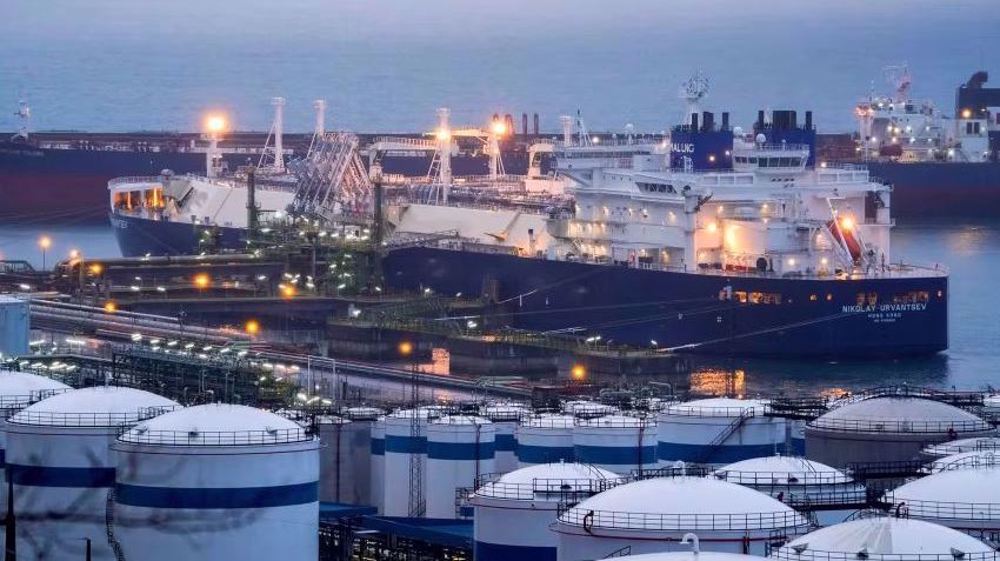
The European Commission has proposed to member states anti-Moscow sanctions targeting China and India's oil purchases from Russia.
A 19th package of sanctions on Russia over the Ukraine conflict was proposed by European Commission President Ursula von der Leyen on Friday. The fresh package targets "refiners, oil traders, [and] petrochemical companies in third countries, including China," accused of helping Moscow bypass earlier restrictions.
Von der Leyen added that the 19th package of measures against Moscow was drawn up in response to an escalation in the conflict.
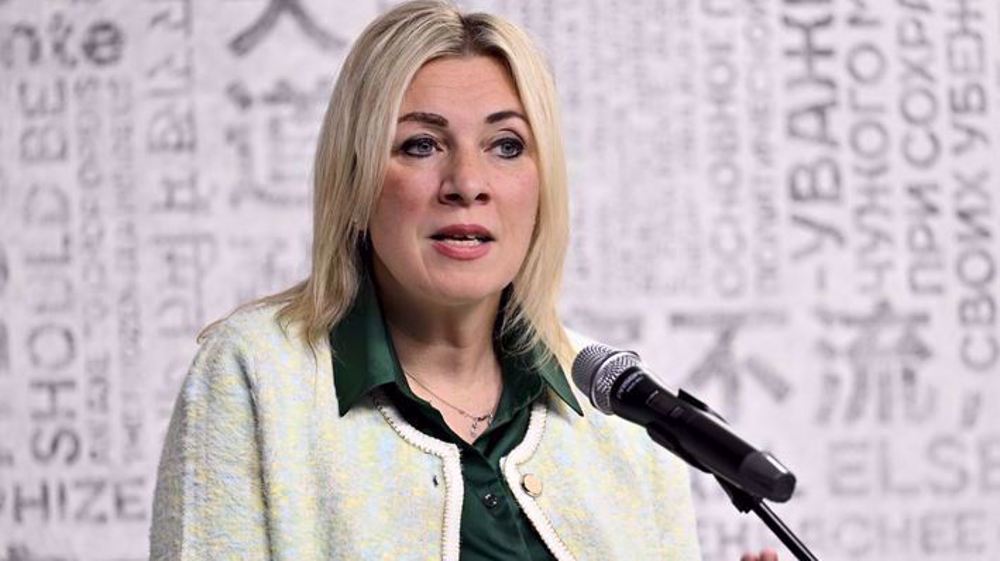
“We’re increasing the pressure. With our 19th package of sanctions covering energy, financial services and trade restrictions,” von der Leyen pointed out.
European Union (EU) member states will now discuss the proposed package, which must be unanimously approved before being adopted.
The 19th package extends beyond the EU bloc to target foreign energy firms, including in China, which are alleged to be “purchasing oil in breach of the sanctions,” the commissioner claimed.
Since the start of the Ukraine war, Russian oil exports switched from west to east, making the country one of the main suppliers of crude to both China and India.
Von der Leyen warned that the fresh sanctions will allow the foreign banks tied to Russian “alternative payment systems,” along with entities in special economic zones, to be targeted by the EU.
Simultaneously, we are working to devise new ways to finance the Ukrainian forces fighting against Russia, “based on immobilized Russian assets,” von der Leyen added. “With the cash balances linked to these assets, we can provide Ukraine with a reparations loan.”
“The assets themselves will not be touched, and the risk will be carried collectively,” she insisted.
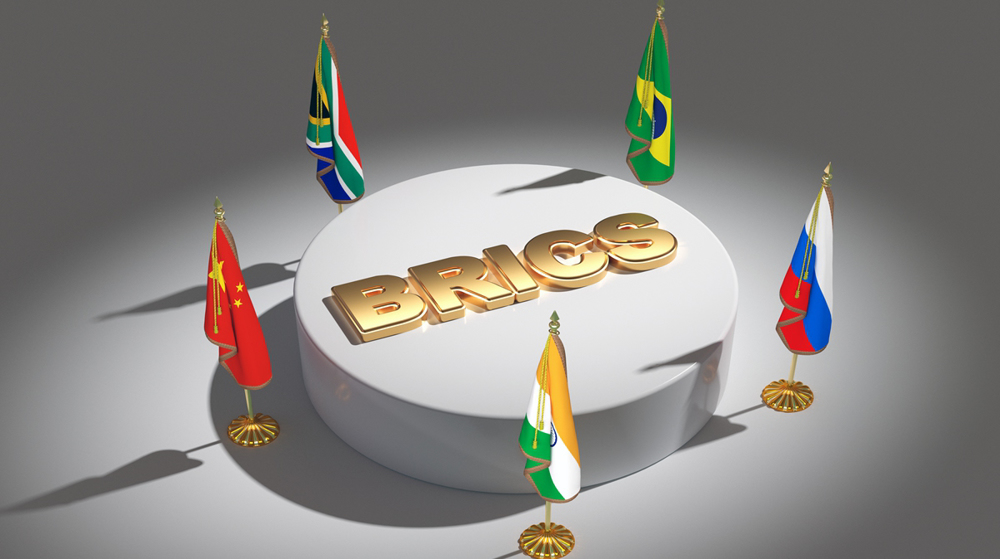
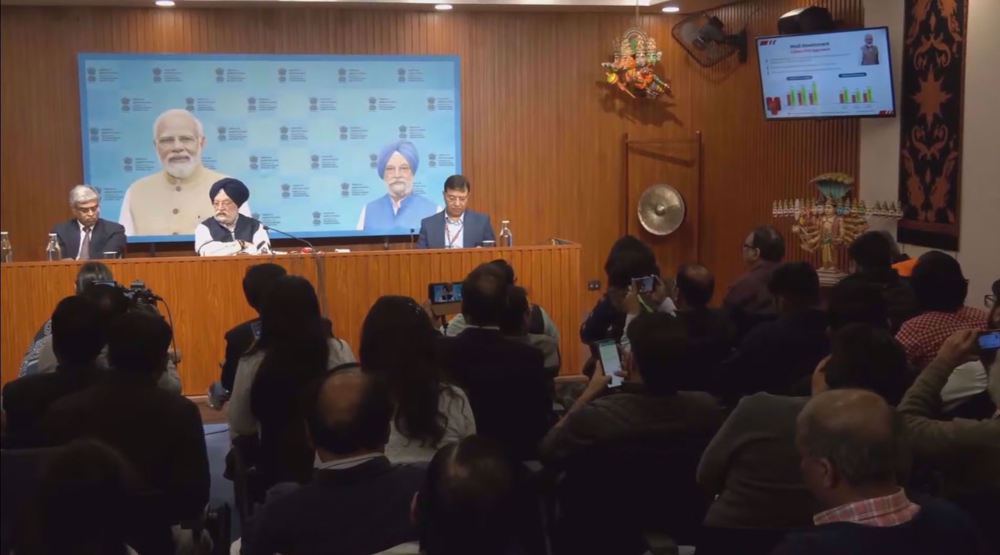
Till now, the two Asian giants, India and China, have defied the US-led Western countries' pressure to reduce their purchase of discounted Russian crude, citing domestic need for more energy as well as the interests of their people as their national priority over the dictates of foreign powers.
The 19th package also proposes to ban imports of Russian liquefied natural gas into EU markets, adds 118 vessels from what Brussels claims is a Russian “shadow fleet” to the blacklist, and places major Russian energy traders Rosneft and Gazpromneft under a full transaction embargo.
Von der Leyen said the proposed package also seeks to close “financial loopholes,” extending transaction bans to more Russian banks as well as lenders in third countries.
She said that for the first time, EU sanctions will also cover cryptocurrency platforms, blocking digital transactions.
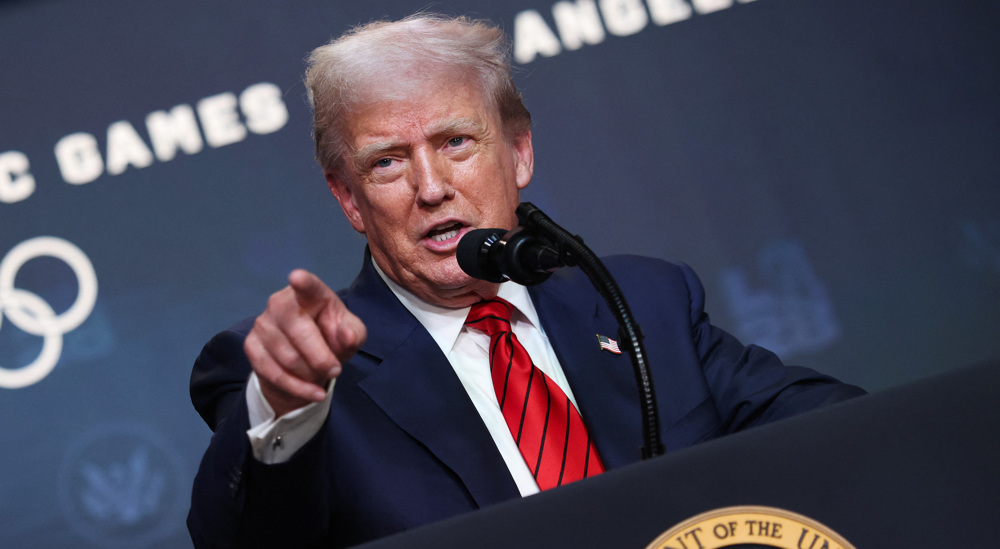
In the meantime, US President Donald Trump recently also vowed to impose tougher sanctions on Moscow once the EU countries all stopped purchasing Russian oil, which Washington says is one of the Kremlin's main sources for funding the Ukraine war.
However, Slovakia and Hungary have defied the pressure from both Brussels and Washington to reduce imports of Russian oil and gas.
"Before we can fully commit, we need to have the right conditions in place — otherwise we risk seriously damaging our industry and economy," Slovak Economy Minister Denisa Sakova told reporters in Bratislava on Wednesday.
BRICS voices concern over attacks on IAEA-safeguarded nuclear facilities in Iran
BRICS summit: China’s Xi makes first visit to India in seven years

Pezeshkian, Modi emphasize expanding Tehran-New Delhi cooperation



US visa ban on Iranian president’s media team is bid to hide the truth: FM spokesman
US aggression, economic warfare amount to crimes against humanity: Iran's UN envoy
Protests erupt in US as ICE agent shoots Venezuelan driver
US pressure fuels cooperation among Muslim states: Pezeshkian
Major TV networks suspend White House pool coverage after Trump ban
US visa ban on Palestinian UN delegation violates international agreements: Hamas
VIDEO | Press TV's news headlines
Iran calls on France to respect law after suspending French cultural institute in Tehran


 PressTV NEWSLETTER
now
PressTV NEWSLETTER
now
 This makes it easy to access the Press TV website
